
By Amanda Grady, ADN, RN, CCM
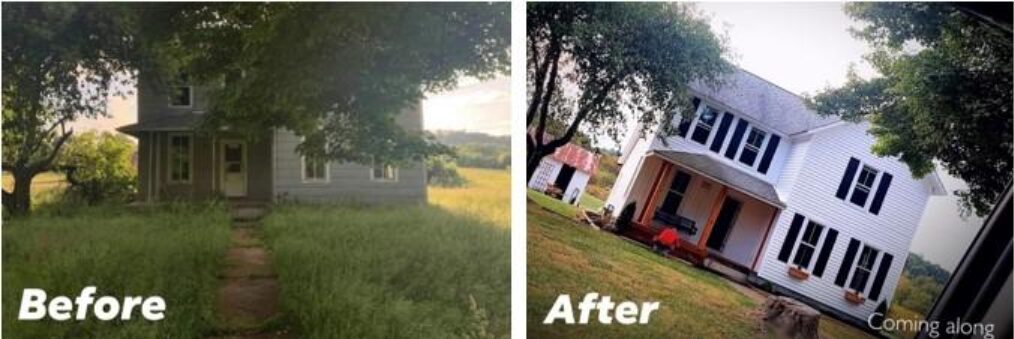
It started in 2019, the day we drove past an old, abandoned farmhouse in rural Licking County. The grass was up to our knees, and the place looked forgotten. Most people would’ve kept driving. Yet something about it called to us—an almost stubborn sense that what looked neglected could still be made whole again.
At the time, I thought we were taking on a house project. Looking back, I see we were stepping into something that would mirror my work in nursing and case management: assessment, coordination, clear expectations, and the kind of follow-through that turns a plan into a real outcome.
People often picture nursing as the visible, hands-on moments. Those moments matter, but case management taught me the other half of the job: the work behind the work. The phone calls, the problem-solving, the escalation, and the steady coordination that keeps care moving when one missing piece could stall everything. It’s the discipline of looking at a goal and asking, “What’s the barrier?”—and then refusing to let that barrier become the final answer.
I didn’t realize it right away, but restoration demands the same mindset. When you’re bringing a home back to life, the work isn’t only physical. It’s logistical. It’s sequencing. It’s aligning people and timelines and resources. It’s constantly reassessing what’s needed and adjusting the plan without losing the outcome.
And in both worlds, there’s a humbling truth: sometimes the plan doesn’t fail because people don’t care. It fails because there are too many moving parts, not enough reliable support, and no back-up when the first option falls through.
I learned that lesson sharply one night after teaching a class of case managers. I drove out to the farmhouse expecting to see progress, but when I walked in, nothing had changed. The contractor we hired hadn’t shown up. The same unfinished spaces were waiting in the dark. The same materials were stacked where we left them. It looked like time had passed everywhere—except inside those walls.
Standing there, I felt the same frustration I’ve felt in health care when a plan stalls: not because you didn’t do your part, but because a critical piece of support didn’t come through. In those moments, working harder doesn’t fix the system. Coordination does.
So I did what case management has trained me to do: I activated my network.
That night, I went on social media and wrote a simple truth: “Help—I can’t do this by myself.” I asked friends and community members who they trusted—who showed up, who did quality work, who they’d hire again. By the next morning, I had multiple contractors coming out to look at the job.
Then I treated the next steps the way I’d treat a plan of care. I interviewed. I chose the right fit. I set clear goals. I set performance deadlines. I stayed close to the follow-through. The farmhouse stayed consistently busy, the job got done, and we came in right on time.
That experience reinforced something I believe deeply about nursing and case management: outcomes improve when coordination becomes a discipline, not a personality trait. It’s not about doing everything yourself. It’s about aligning the right resources and staying engaged enough to keep the plan moving—especially when it would be easier to give up or quietly carry it alone.
Our first flip became a family affair, weekends spent working side by side. In the process, we found small relics of the past that reminded me how much history those walls had seen—including a 1950 Red Cross home nursing book that stopped me in my tracks. It was a quiet reminder that care has always lived in homes and communities, not just in hospitals or systems.
That first project closed right as COVID changed the world. The timing felt surreal, but it proved something important: with a plan, a team, and follow-through, you can create stability in the middle of uncertainty. That’s true in a renovation, and it’s true in case management.
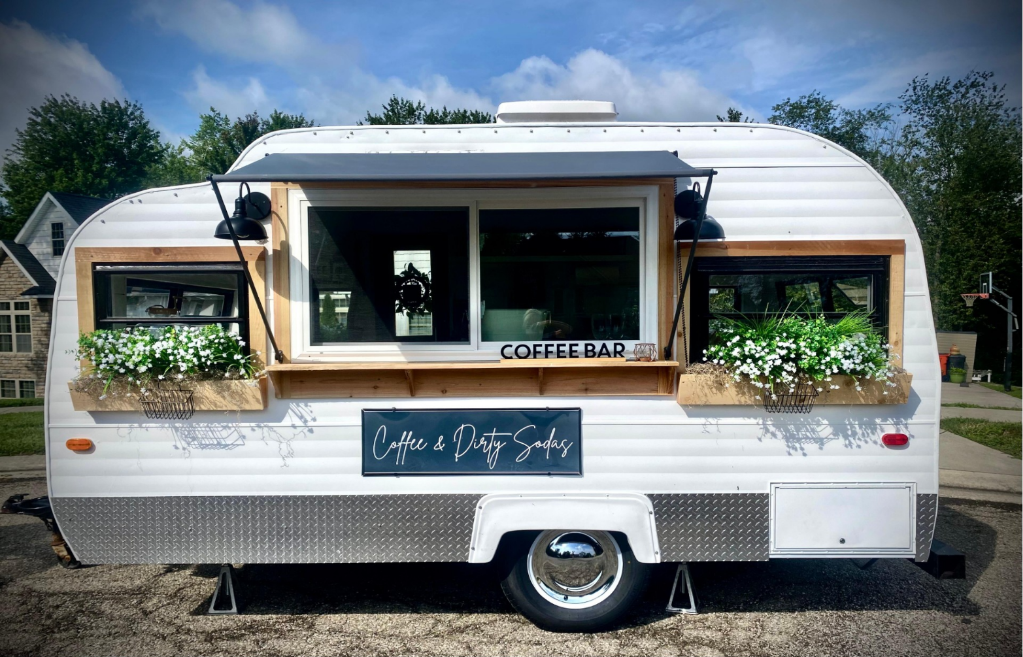
Since then, we’ve restored more homes—sometimes in my own childhood neighborhood—with the goal of giving something back. We even branched into vintage trailers, helping fellow nurses and entrepreneurs launch mobile coffee or ice cream businesses. None of it has been easy, but all of it has reinforced the same lesson: progress happens when you coordinate the right support at the right time.
Leadership has taught me another truth that applies in both nursing and restoration: standards and care aren’t opposites. Safety and quality require clarity. Timelines protect outcomes. Follow-through builds trust. Setting expectations isn’t about policing people; it’s about respecting the work enough to do it well.
Through tough seasons—my boys leaving for the military, the loss of my mom—these projects have been both therapy and joy. Seeing a forgotten house come back to life feels deeply familiar to me, because the best part of nursing and case management is also that moment of change: when barriers move, the plan stabilizes, and someone can finally move forward.
Today, when I look at my nursing career and this restoration work side by side, the throughline is clear. Both are about restoration. Both require coordination. And both are rooted in care—the kind of care that notices what’s been overlooked and stays with it long enough to make it better.

Bio: Amanda Grady, RN, CCM, is an Associate Manager and the owner of two small businesses: Licking County Women of Small Business LLC and Chateau Grady Homes LLC. She graduated from the Central Ohio School of Nursing in 2002 and earned her CCMC certification in 2010. With experience spanning since 2008, Amanda has built a strong career in case management and disease management, bringing leadership, expertise, and entrepreneurial spirit to every role she serves.
The countdown is on! You have exactly one month to grab Early Bird pricing for the 2026 CMSA Conference & Expo.
Join your colleagues in Las Vegas for a week of world-class learning, networking, and inspiration. Whether you're looking to earn your CEs in person or find your next career opportunity in the Expo hall, doing it at the Early Bird rate is the way to go!
-Huge Savings on registration.
-Best Hotel Rates still available.
-Peace of Mind knowing your summer plans are set.
Register today before the rate increases: cmsa.societyconference.com