
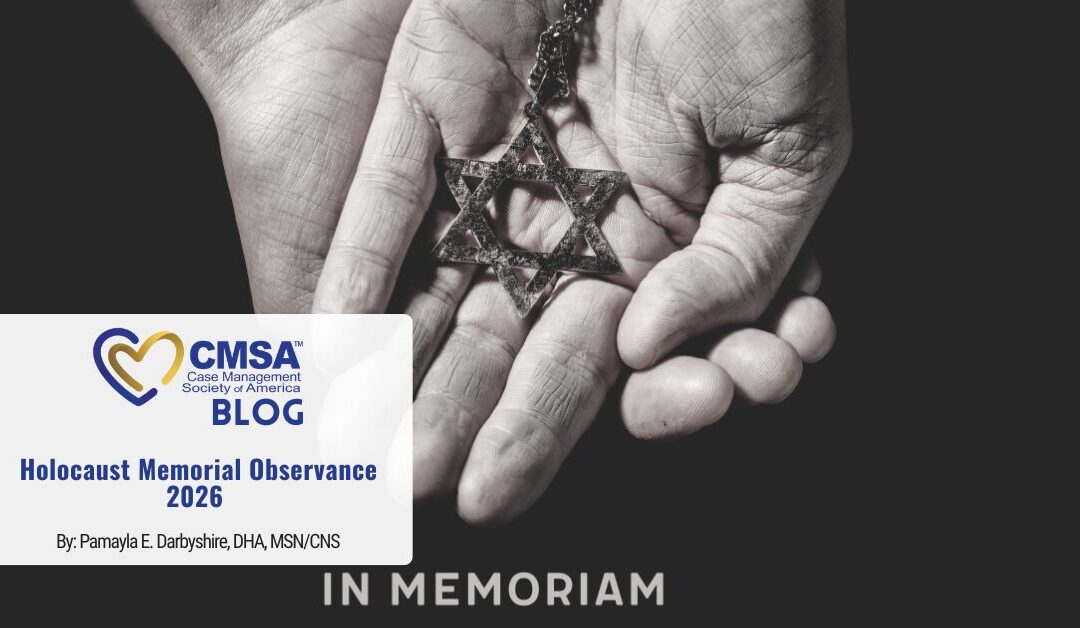
By Pamayla E. Darbyshire, DHA, MSN/CNS
The theme, “Holocaust Remembrance for Dignity and Human Rights,” will guide United Nations Holocaust remembrance observance on Jan 27, 2026. Remembrance dignifies the victims and survivors of the Holocaust. It keeps alive their memories of the communities, traditions, and loved ones lost. The Holocaust warns us of the consequences of dehumanization and apathy left unchallenged. Over eighty years after the Holocaust, denial and distortion of this event persist (UN, 2025). The defense of universal rights is essential for sustainable peace and lies at the heart of the United Nations' directives and Sustainable Development Goals (UN SDG #16, #17). The internationally recognized Holocaust Remembrance Day corresponds to the 27th day of Nisan on the Hebrew calendar, the anniversary of the liberation of the Auschwitz-Birkenau death camp and the anniversary of the Warsaw Ghetto Uprising. International Holocaust Survivors Night is associated with remembrance in January; however, dates vary by host and location, and it primarily focuses on remembering victims, honoring survivors, and promoting human rights through education and gatherings (Meirzon, 2020).
Case Management
Case management for Holocaust survivors is no different than the services we provide today; however, this care involves specialized, trauma-informed support connecting aging individuals with vital resources like home care, financial aid, medical help, and navigating complex reparations, focusing on empowerment, trust, and long-term continuity to address unique physical and psychological needs stemming from historical trauma. Organizations and individuals can use the historical record to inform contemporary case management practices, emphasizing ethical frameworks and the importance of protecting vulnerable populations. Case managers, especially those who work with Holocaust survivors or their descendants, have a unique role on Holocaust Remembrance Day. This includes providing support and counseling while also participating in educational efforts to ensure the history is not forgotten. The work of case managers highlights the importance of both commemorating the victims and supporting survivors and their families.
Case Manager Role
The role of case management on Holocaust Remembrance Day
- Direct support:
On and around Holocaust Remembrance Day, case managers may have increased responsibility as they provide extra support to clients who may be feeling a greater emotional impact from the day's commemorations.
What We Can Do
- Provide Trauma-Informed Care: recognize the profound impact of Holocaust trauma (PTSD, trust issues, agency loss) and deliver support in a person-centered, empowering way, respecting client autonomy. Recognize that deep trauma affects cognitive function, emotions, and decision-making – provide services that are delivered with sensitivity.
- Specialized Support: Managers understand the complex psychological and physical needs, including intergenerational trauma effects – provide culturally sensitive, multi-lingual assistance.
- Building Trust: Case managers work to overcome survivor suspicion and isolation, often leveraging personal connections or long-term relationships to foster trust and consistent care.
- Holistic Needs Assessment: Case managers (often social workers) assess needs beyond immediate crises, including physical and mental health, financial stability, nutrition, and social connection, and often connect survivors with resources such as Jewish Family Service (JFS).
- Resource Navigation: Case managers help survivors access crucial services (HHS Publication No. [SMA] 14-4884), including:
- Financial & Emergency Assistance: Bridging Service Gaps: help with reparations applications, connecting survivors to funds for uncovered medical/dental costs (dentures, hearing aids), home repairs, rent, and utilities, often from the Conference on Jewish Material Claims Against Germany (Claims Conference). Assisting with complex applications for restitution and linking survivors to broader community and social programs. Case managers coordinate with other agencies (such as Jewish Family Services or Circle of Care) to provide comprehensive support (including legal aid and housing).
- In-Home Support: Arranging home care, cleaning, personal care, housekeeping, and companionship to help survivors remain in their homes (aging in place). Medical and psychological support. Transportation and meals.
- Ethical considerations in case management: The Holocaust provides a powerful, albeit extreme, case study of how professional ethics can be compromised. Professionals in health and social services are reminded to uphold their ethical obligations to protect vulnerable populations.
Challenges for Survivors & Case Managers
- Lingering Trauma: PTSD, depression, anxiety, and nightmares can resurface, especially with aging or cognitive decline. Survivors may experience daily distress, flashbacks, and disruptions in sleep and emotional stability, making everyday functioning difficult. They may also struggle with persistent fear, health complications, or reduced access to support systems as they age.
- "Conspiracy of Silence": Survivors often find it difficult to discuss trauma with family and care providers. This silence can lead to miscommunication, missed needs, and feelings of isolation. Many survivors are aging and face increasing poverty, physical decline, social withdrawal, and lack of community connections, which drives a high demand for comprehensive, sensitive case management services.
- Survivor-informed practice: Working with survivors, learning from their experiences, and incorporating their stories into training and education can help case managers understand the human impact of systemic cruelty.
Resources
- Claims Conference (Conference on Jewish Material Claims Against Germany): Coordinates global efforts, providing significant funding for case management and direct services. A primary funder, distributing restitution and grants to agencies providing direct services.
- Jewish Community Services (JCS) & Alpert JFS: Local organizations offering direct case management and connecting survivors to benefits. Local agencies provide case management, in-home care, counseling, and financial aid.
- Circle of Care: A major Canadian provider focusing on sensitivity and comprehensive care for survivors.
- UJA-Federation of New York: Supports programs that keep survivors empowered and connected.
ACL was created around the fundamental principle that all people, regardless of age or disability, should be able to live independently and participate fully in their communities. Learn more about community living.
References
Meirzon, A. (2020, September 21). Providing PCTI care to Holocaust survivors during crises. Jewish Federation of North America: Center of Aging, Trauma, and Holocaust survivor care. https://holocaustsurvivorcare.jewishfederations.org/providing-pcti-care-to-holocaust-survivors-during-crises
Substance Abuse and Mental Health Services Administration. (2014). SAMHSA’s Concept of Trauma and Guidance for a Trauma-Informed Approach. HHS Publication No. (SMA) 14-4884. Rockville, MD: Substance Abuse and Mental Health Services Administration. SAMHSA's Concept of Trauma and Guidance for a Trauma-Informed Approach
United Nations Sustainable Development Goals. (2025). https://sdgs.un.org/goals
Make waves with CMSA in 2026! The brightest minds in case management are heading to Las Vegas, where we will dive deep into the strategies and innovations that are shaping the next generation of case management.
Learn more and register at https://bit.ly/4bk7MQN
Bio: Pamayla E. Darbyshire is an alumna of the College of Doctoral Studies, University of Phoenix, where she earned her Doctorate in Health Administration. She has a master's degree in nursing with a clinical nurse specialist focus in education and over 45 years of nursing experience. Dr. Darbyshire is a fellow with the Center for Educational and Instructional Technology Research (CEITR). She is a National Society of Leadership Success member and a long-time member of Sigma Theta Tau International Honour Society of Nursing. In addition, Dr. Darbyshire is a member of the Association of periOperative Registered Nurses (AORN) National Research Committee, engaged in grant approvals, Expo Poster Abstract reviews, AORN guideline updates, and has co-authored for The AORN Journal, Phoenix Scholar, The Qualitative Report and other peer-reviewed journals. She is a Case Management Society of America (CSMA) member. Dr. Darbyshire's commitment to the academic community is evident in her role as a mentor for College of Doctoral Studies students (UoPx), and the ANA mentor/mentee committee. Her research interests include case management, chronic disease, neurodiversity, and the application of artificial intelligence in higher education. She has presented at numerous virtual conferences with an international audience.