
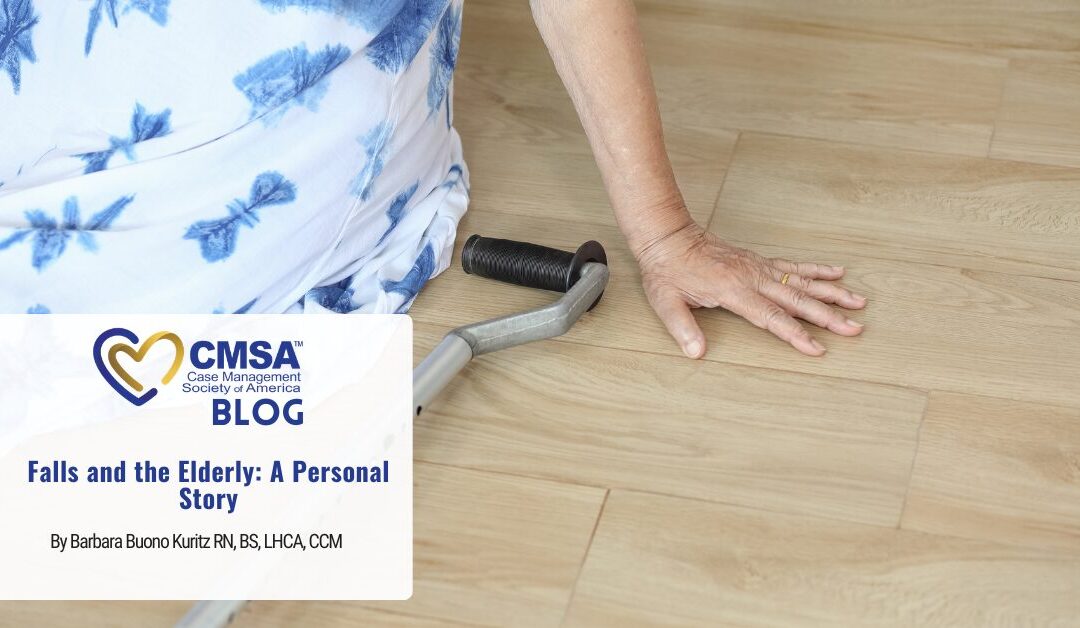
By Barbara Buono Kuritz RN, BS, LHCA, CCM
A Sudden Fall
I recently fell while walking home after a successful weekly Mahjongg game with neighbors. The fall left me asking two questions: What caused it, and why was the injury so serious? I knew the path well and had always considered myself careful. Still, a brief distraction may have played a role, or changes in my balance and reaction time may have been developing without my awareness.
Life Changed in an Instant
Thankfully, I did not suffer any broken bones, but the fall was a wake-up call.
It reminded me that a single moment can change everything, reshaping the way you live, move, and experience even the simplest parts of everyday life.
X-rays, medical appointments, and physical therapy disrupted my transportation, schedule, and daily routines.
There were related financial costs, but the emotional toll was even greater. Recovery reshaped my routines, limited my hobbies and social life, and challenged my confidence. The hardest loss was independence. Tasks I once managed easily now required help, planning, and patience.
What Others Shared
Support and Shared Stories
Living in a close-knit 55+ community brought meals, encouragement, and steady support. It also brought conversations about falls, recovery, and the unexpected ways a single misstep can affect daily life.
Common Hazards
As neighbors shared their experiences, a pattern became clear. Their falls began with ordinary hazards such as missed steps, a curb, a pet underfoot, a loose rug, an uneven sidewalk, or a sudden loss of balance.
Other falls happened during routine moments, such as rushing to answer the phone or walking while distracted. These stories were troubling because they showed how quickly everyday activities can cause injury, pain, and loss of independence.
Increasing concern
As we age, fall prevention becomes increasingly important.
According to the Centers for Disease Control and Prevention (CDC), falls are the leading cause of injury among adults age 65 and older. More than fourteen million older adults, about one in four, report falling each year, and fall injuries can lead to emergency care, hospitalization, fractures, brain injuries, disability, or long-term care needs.
Falls can also cause lasting emotional and social effects. Fear of falling again may limit activity, mobility, and social participation, leading to weakness and greater fall risk.
CDC mortality data show that fall-related deaths among older adults continue to increase, driven in part by aging, longer life expectancy, chronic disease, and more independent living.
Falls also create major medical costs for individuals, families, healthcare systems, Medicare, and Medicaid.
Understanding Why Falls Happen
Falls threaten health, safety, and independence, but they are not inevitable. Understanding risk factors is the first step toward prevention.
Stopping Elderly Accidents, Deaths, and Injuries ( STEADI ) is a fall prevention initiative developed by the CDC that provides healthcare providers, tools, and resources to help reduce fall risk among older adults. The STEADI toolkit enables providers to screen patients for fall risks, assess contributing factors and implement interventions. In addition, the program provides patients and caregivers with education resources to increase awareness of fall prevention and promote safe practices. Its primary goal is to reduce the incidence of fall and fall related injuries among older adults while promoting healthy aging, preserving independence and enhancing quality of life through proactive, and preventive care.
Common fall-risk factors include:
- Age-related changes in balance, strength, or walking ability.
- Vision, hearing, or foot problems that can affect balance, depth perception, or safe movement.
- Medication side effects, such as dizziness, drowsiness, or changes in alertness
- Chronic health conditions that may affect mobility, balance, alertness, or awareness
- Home hazards, such as clutter, poor lighting, loose rugs, or uneven surfaces.
As fall injuries and deaths rise, early risk identification is essential to protect independence, mobility, and quality of life.
Case Managers: Proactive Partners in Fall Prevention
Case managers play a significant role in prevention by identifying risks early, educating patients and families, coordinating care, and supporting follow-through. Their involvement helps older adults stay safer, preserve independence, and avoid preventable injury.
Key Case management interventions
- Identifying fall risks before they lead to injury.
- Reviewing medications for side effects that may increase fall risk.
- Identifying and addressing hazards such as poor lighting, clutter, loose rugs, and uneven surfaces.
- Encouraging participation in mobility, balance, and exercise programs that improve strength, stability, and safer movement.
- Helping patients understand the importance of regularly reviewing their vision, hearing, foot health, medications, and chronic health conditions to reduce fall risk.
- Providing practical tools, resources, and easy-to-follow guidance that support fall prevention in everyday life.
- Educating patients and families about Alert technologies and supportive equipment that can enhance balance, strength, safety, and independence, including:
Wearable devices: Medical alert pendants, smartwatches, and sleep trackers.
AI-enabled technologies and smart sensors: Home monitoring systems that detect changes in movement patterns and identify potential fall risks.
Environmental and mobility supports: Canes, walkers, grab bars, handrails, non-slip surfaces, and supportive footwear that promote safer mobility and reduce the risk of falls.
With early intervention from a case manager, a single misstep does not have to become a life-changing event or threaten an older adult’s independence.
Conclusion
My experience shows how quickly one fall can disrupt daily life. As older adults strive to live longer, healthier, and more independently, fall prevention should remain a priority. Falls do not need to be inevitable part of aging if we learn how to prevent them from happening.
Fall prevention helps older adults remain safer and more independent while reducing the strain on families, healthcare systems, and communities. Early case management intervention can identify risks, guide prevention efforts, and help avoid preventable injuries.
Recognizing fall risk is a major step in protecting safety, confidence, independence, and quality of life. I hope this article encourages you to assess your own risk or help a loved one or patient take that important first step.
We're kicking off our Case Management Month celebration by getting back to what connects us with: RECONNECT, the week of October 4-10.
Reconnect with colleagues. With the case management community. With new ideas. And with the purpose behind the work you do every day.
It's the first chapter of RECONNECT. RECOGNIZE. REIGNITE. RISE., CMSA’s month-long celebration of case managers.
See what is happening throughout October: bit.ly/3PR89WG
Bio: Barbara Buono Kuritz brings more than 30 years of nursing experience, spanning bedside care, managed care, case management, leadership, and education. A recognized voice in the field, she has published in leading case management journals and presented on care coordination and leadership. Barbara is a longtime leader with the CMSA Mid-Atlantic Chapter, where she serves on the board and as Public Policy Chair. For seven years, she has taught with the Case Management Institute, mentoring aspiring case managers and supporting certification candidates. As a Career Coach Consultant with Global Care Management, Barbara helps clients define goals and develop actionable paths toward success.
Thank you Barbara for a thought provoking article that is also a wakeup call to those of us on the aging trajectory and to all case managers as we interact with clients, friends and neighbors.